 +1 561-926-6368

Mimosa tepezcohuite root bark has moved from niche herbal circles into serious skincare conversations, driven by people looking for plant-based ingredients that help with skin resilience, texture, and the appearance of scars. Around 60% of consumers now say they prefer beauty products with plant-derived ingredients, and interest in botanicals like Mimosa tepezcohuite keeps rising as people question synthetic-heavy routines. This guide shows you, step by step, how to bring this traditional bark into a modern, purpose-driven skincare routine—safely, topically, and with a clear understanding of both its promise and its limits.
Key Takeaways
| Question | Answer |
|---|---|
| What is Mimosa tepezcohuite root bark used for in skincare? | It is a traditional botanical that helps with the appearance of scars, spots, and signs of aging when used topically in soaps, masks, or creams. For a fundamentals overview, see this Mimosa root bark skin care 101 guide. |
| Is Mimosa tepezcohuite legal to buy for skincare? | Legality depends on your country, but in many places it is legal to purchase as a cosmetic raw material. Always check your local rules and review resources like this overview of Mimosa root bark legality. |
| Which form is best for DIY skincare? | Powder and ultrafine “pink” forms work well for masks and soaps because they disperse evenly. For example, Ultrafine Pink MHRB is designed for fine, cosmetic-style applications. |
| Can Mimosa tepezcohuite be part of a daily routine? | Yes, in low concentrations within cleansers, soaps, or occasional masks it can be used topically. Many people rotate it a few times per week rather than using high amounts daily to stay gentle on the skin. |
| What does it help with most visibly? | Users often report that it reduces the appearance of spots, uneven tone, fine lines, and dull texture. You can read a deeper breakdown in this article on Mimosa tepezcohuite benefits. |
| How do I choose quality root bark? | Look for clear sourcing, consistent cut (chopped vs. shredded vs. ultrafine), and transparent information about processing. Quality-focused guides like this quality Mimosa root bark overview are helpful starting points. |
| Where can I learn more about why this bark is used in skincare? | To understand the traditional context and modern interest, read Why MHRB?, which explains why formulators reach for Mimosa tepezcohuite in topical products. |
Understanding Mimosa tepezcohuite Root Bark as a Skincare Ingredient
Mimosa tepezcohuite (often historically labeled as Mimosa hostilis) is a tree whose inner root bark has been used topically for generations in parts of Latin America. In skincare, this bark is typically dried and processed into chopped, shredded, or finely milled forms that can be mixed into soaps, masks, and creams.
People are drawn to Mimosa tepezcohuite because it is associated with helping the skin look smoother, more even, and less marked by spots or signs of aging. Modern brands are revisiting this traditional ingredient to see how it can fit into transparent, plant-based routines that prioritize both efficacy and ethical sourcing.
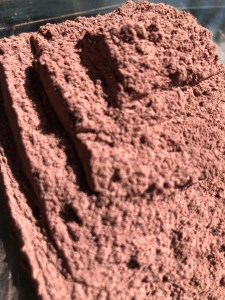
Forms of Mimosa tepezcohuite: Powder, Shredded, and Chopped
Before adding Mimosa tepezcohuite to your routine, you need to choose the right format. The bark is typically sold as chopped pieces, finely shredded strips, or various grades of powder, including ultrafine options designed to disperse smoothly.
Each form lends itself to different types of products. Larger cuts are suited to long infusions and oil macerations, while powders blend better into masks and soaps where texture on the skin matters. The choice is less about “stronger” versus “weaker” and more about how you intend to use it topically.
Finely Shredded Mimosa tepezcohuite Root Bark
Finely shredded bark is a versatile middle ground. It has enough surface area for efficient extraction into oils or water, while still being easy to strain out when you are done. This makes it practical for people who like to make concentrated infusions and then add those infusions into soaps or creams.

Choosing Quality Bark and Why It Matters
With Mimosa tepezcohuite, quality is not just a detail—it shapes how your skin experiences the ingredient. Well-processed inner root bark tends to offer more consistent color and texture, which in turn leads to more predictable topical preparations.
High-quality bark also reflects something deeper: respect for traditional knowledge and for the communities around this tree. Sourcing that prioritizes fair trade, traceability, and minimal environmental impact ties your skincare routine to a broader social impact story rather than just another trend.
Chopped Root Bark for Slow Topical Preparations
Chopped bark is often chosen for long, gentle infusions, where pieces are simmered briefly in water or soaked in oils and then filtered out. For example, Mimosa Hostilis Root Bark Chopped is offered at around $129.65 for smaller quantities and up to $6,499.65 for bulk, reflecting how committed makers invest at scale when building topical product lines.

Safety, Patch Testing, and Respecting Potent Botanicals
Mimosa tepezcohuite is not a neutral filler; it contains potent constituents, including alkaloids, that call for respectful handling. While oral toxicity studies do not directly reflect topical use, research has shown that Mimosa root bark ethanolic extract has an LD50 greater than 2,000 mg/kg in mice, with tissue changes at higher doses, underscoring why responsible cosmetic formulation matters.
For home users, that responsibility starts with patch testing. Mix your planned product at the intended strength, apply a small amount to the inner arm, and wait 24–48 hours to see how your skin responds before using it more broadly on the face or body.


Building a Simple Tepezcohuite-Focused Routine (Beginner-Friendly)
If you are new to Mimosa tepezcohuite, start with one product type and one application area. A straightforward entry point is a gentle cleanser or soap that contains a modest amount of bark powder or infusion; this allows you to see whether your skin appreciates the ingredient without overwhelming it.
A basic routine might look like this: a Mimosa tepezcohuite-infused cleanser once daily, followed by a neutral moisturizer, and a more concentrated mask containing bark powder once or twice per week. This rhythm keeps your skin barrier in mind while still giving the bark enough exposure to potentially help with texture and the appearance of uneven areas.


Using Ultrafine Tepezcohuite Powder in Masks and Spot Care
Ultrafine powders are particularly useful for direct skin-contact products because they disperse smoothly and feel less gritty. An example is Ultrafine Pink MHRB powder, which has a cosmetic-style fineness designed to mix cleanly into clays, gels, or cream bases used topically on the face or body.
You can create a simple mask by blending a small pinch of Mimosa tepezcohuite powder into your favorite clay mask or aloe-based gel and applying it for 5–10 minutes before rinsing. Used this way, the bark helps with the look of congestion, dullness, and uneven tone, especially when repeated weekly.


Tepezcohuite Soaps and Cleansers: Everyday Topical Use
Cleansers and soaps are where Mimosa tepezcohuite can quietly become part of your everyday routine. Because they rinse off, they often feel gentler and leave less room for overuse, yet still allow repeated topical exposure that may help with the appearance of roughness or dull areas over time.
Many soap makers rely on powdered bark or strong aqueous infusions blended into their base oils. The goal is not to create a harsh “treatment bar” but to encourage gradual changes in how your skin looks and feels—more even, less tight, and with a softer appearance across fine lines and spots.


Targeting Scars, Spots, and Signs of Aging (Appearance-Focused)
One of the most discussed uses of Mimosa tepezcohuite is its role in products that aim to reduce the appearance of scars, hyperpigmentation, and wrinkles. Traditional uses and modern anecdotes often mention how this bark seems to help with the visual impact of old marks and fine lines when used consistently.
To stay realistic and responsible, it is better to think in terms of “appearance management” rather than cures. A topical routine that combines Mimosa tepezcohuite masks or serums with sunscreen and barrier-supporting moisturizers has a better chance of helping your skin look more even and plump over time than relying on any single ingredient.
DIY vs. Ready-Made: When to Formulate and When to Buy
Working with raw Mimosa tepezcohuite root bark at home can feel empowering, but it also means you are personally responsible for dilution, hygiene, and patch testing. Chopped and shredded bark, sold from around $57.08 for finely shredded smaller amounts up to $1,369.86 for bulk, attracts makers who want to control every step of the process.
On the other hand, ready-made products spread that responsibility across a brand that is accountable for stability testing, labeling, and (in regulated markets) registration. For many users—especially those with sensitive skin—this can be the safer, more predictable way to let Mimosa tepezcohuite help with texture and tone.
Social and Environmental Impact: Using Tepezcohuite with Purpose
Using Mimosa tepezcohuite in your skincare is not only about what shows up in the mirror. This tree grows in specific ecosystems, and demand for its root bark can either support or strain local environments and communities depending on how it is harvested and traded.
A socially conscious approach means asking brands hard questions about sourcing, paying attention to how much raw bark you actually need, and supporting companies that invest in education rather than hype. When you choose quality, fairly sourced bark, your routine becomes part of a wider effort to respect traditional know-how and protect the lands where Mimosa tepezcohuite grows.
Conclusion
Incorporating Mimosa tepezcohuite root bark into your skincare routine is less about chasing miracles and more about choosing a thoughtful, plant-based ally for texture, tone, and the visible signs of time. Whether you work with chopped bark for infusions, finely shredded material for soaps, or ultrafine powder for masks, the key is to use it topically, gently, and consistently—while respecting both your skin and the communities tied to this tree.
By prioritizing quality sourcing, patch testing, and realistic expectations, you can let Mimosa tepezcohuite quietly help with the way your skin looks and feels, without leaning on exaggerated claims. In doing so, your routine becomes more than cosmetic; it becomes a small but real expression of how beauty, tradition, and social responsibility can coexist.
