 +1 561-926-6368

Mimosa Hostilis root bark, also known as Mimosa tepezcohuite, is a powerful natural ingredient for topical skincare, yet it also sits under strict legal attention because dimethyltryptamine (DMT) is classified as a Schedule I controlled substance in the United States with no currently accepted medical use. Understanding how to handle, store, and use this bark topically in a safe, responsible way helps protect your skin, your workspace, and your legal peace of mind.
Key Takeaways
| Question | Short Answer |
|---|---|
| What is Mimosa tepezcohuite and how is it used safely? | It is the root bark of the Mimosa Hostilis tree used topically only in masks, soaps, and cosmetic formulations. For detailed safety steps, see our Mimosa tepezcohuite safety guide. |
| How long does Mimosa Hostilis root bark stay fresh? | When stored cool, dry, and sealed, Mimosa tepezcohuite root bark typically has a shelf life of about 12 to 24 months. Learn more in our guide on storage and shelf life. |
| Is Mimosa Hostilis root bark legal to buy? | Legality depends on your country and how the bark is used, but it is generally sold for external cosmetic use only. Our overview on Mimosa Hostilis root bark legality explains the key considerations. |
| Which form of Mimosa tepezcohuite is safer to handle, powder or shredded? | Powder is easier to blend into skincare, while shredded bark tends to create less airborne dust. See our comparison of powdered vs finely shredded bark for handling tips. |
| How does Mimosa tepezcohuite help skin? | Topically, it helps with skin comfort, supports gentle cleansing, and reduces the appearance of redness and uneven tone. We myth-bust common claims in our skin benefits article. |
| Where can I learn basic skincare steps with Mimosa Hostilis bark? | Start with our beginner-friendly guide Mimosa Hostilis Root Bark Skin Care 101, which covers storage, handling, and topical use. |
1. What Is Mimosa Hostilis Root Bark (Mimosa Tepezcohuite)?
Mimosa Hostilis root bark, often called Mimosa tepezcohuite, comes from a tree native to regions of Mexico and South America and has a long history in topical skincare traditions. Today, many people use this bark externally in soaps, masks, and cosmetic blends that focus on gentle, plant-based care.
In skincare, Mimosa tepezcohuite helps with soothing the skin surface and reducing the appearance of redness and irritation. When handled correctly, it becomes a versatile ingredient in both simple home formulations and artisan products that avoid harsh synthetic chemicals.
Topical Use Only: Why That Matters
We focus exclusively on topical use of Mimosa tepezcohuite, meaning it is applied to the surface of the skin and then rinsed or wiped off or left on in cosmetic concentrations. This approach respects both safety guidelines and the way the bark has been traditionally included in skincare routines.
By staying within external cosmetic use, you stay aligned with how most regulations and experts expect this material to be used. This also helps you design routines that fit comfortably alongside other skincare products.
Mimosa Tepezcohuite In Modern Skincare
You will often see Mimosa tepezcohuite listed as an ingredient in face bars, serums, and masks. It helps with gentle cleansing and supports skin that looks smoother and more even.
Our experience with this bark shows that when it is sourced carefully and handled with respect, it becomes a reliable part of a natural-focused routine for many skin types.


2. Legal Basics: Staying On The Safe Side With Mimosa Hostilis Root Bark
When you work with Mimosa Hostilis root bark, legal awareness is part of safe handling, not just an afterthought. DMT-related regulations sit in the background, so understanding your responsibilities helps you stay confident as you use the bark topically in skincare.
Many regions allow Mimosa tepezcohuite to be sold for external cosmetic use, yet rules can differ between countries and even between states or provinces. We encourage you to familiarize yourself with local guidance before importing or reselling root bark.
Why Customs And Imports Matter
Import rules are especially important for bulk buyers or resellers who move root bark across borders. Authorities carefully screen plant materials, and bark shipments can draw additional attention.
For personal cosmetic use, sourcing from established vendors within your country helps reduce the risk of delays or misunderstandings at customs. It also supports more transparent supply chains.
Buying With Intention
When you purchase Mimosa tepezcohuite, look for vendors who clearly state that their root bark is sold for topical and cosmetic applications only. This language signals a shared commitment to responsible use.
Knowing exactly how you plan to use the bark on skin also keeps your formulations and workshop practices within a safer, clearer framework.
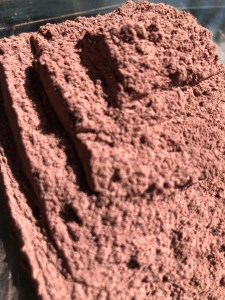

3. Choosing Safe Forms: Powdered Vs Finely Shredded Mimosa Tepezcohuite
Mimosa Hostilis root bark typically comes in finely shredded pieces or as a powder, and each form has different handling and safety considerations. Understanding these differences helps you decide what works best for your workspace and your skin goals.
Both forms are intended for external use, but they behave very differently in the air and on your tools. This is especially important if you are sensitive to dust or already manage respiratory concerns.
Powdered Bark: Easy Blending, Higher Dust
Powdered Mimosa tepezcohuite blends smoothly into masks, soaps, and cleansers, so it is often preferred for finished skincare products. However, it can create more airborne dust when scooped, poured, or mixed aggressively.
That dust behaves similarly to fine wood dust and other organic powders, which is why a simple mask and cautious handling are smart choices, even in a small home lab.
Finely Shredded Bark: Less Dust, More Texture
Finely shredded bark generally produces less airborne dust, which helps keep the air clearer while you measure and pour. It works well in longer infusions and can be added to products where a gentle texture is welcome.
Because pieces are larger, they are easier to clean from counters and tools, which some hobbyists prefer when they are just getting started with Mimosa tepezcohuite.


4. Personal Protective Equipment (PPE) For Safe Handling
Safe handling of Mimosa Hostilis root bark starts with basic protective equipment that keeps dust and particles off your skin, eyes, and lungs. Even for small batches, these simple steps help your workspace feel more comfortable and controlled.
We recommend treating Mimosa tepezcohuite like any concentrated botanical powder or shredded bark that you respect but do not underestimate.
Essential PPE Checklist
- Gloves: Nitrile or latex gloves to prevent direct contact while mixing or infusing.
- Mask or respirator: Especially important with powders to minimize dust inhalation.
- Eye protection: Safety glasses if there is any risk of splashing or airborne particles.
- Protective clothing: An apron or dedicated mixing clothes that you can wash after use.
For many home users, a simple dust mask and gloves already reduce most exposure while still keeping the process convenient. The key is consistency whenever you pour, sift, or blend Mimosa tepezcohuite.
Workspace Habits That Support PPE
Good PPE works best when paired with calm, deliberate handling habits. Pour powders close to the container opening, avoid shaking, and keep fans pointed away from your mixing area.
Once you are finished, wash your hands thoroughly, even if you wore gloves, and wipe down surfaces with a damp cloth instead of a dry towel to keep residual dust from circulating.

This infographic highlights five key safety and legal considerations for Mimosa Hostilis Root Bark handling. It helps readers stay informed and compliant.
5. Ventilation, Dust Control, And Fire Safety
Because Mimosa Hostilis root bark is a plant material, fine powders can behave like other organic dusts in the air. This includes both breathing comfort and, in larger operations, potential combustible dust concerns.
In a home or small studio, you mainly focus on air quality for your lungs and keeping your surfaces easy to clean.
Simple Ventilation Practices
Work in a space with good air exchange, such as near an open window or under a cooking range hood that vents outside. Avoid strong fans that blow directly across open containers because they lift dust into the breathing zone.
If you handle larger volumes of Mimosa tepezcohuite powder, consider a small tabletop extraction fan or a dedicated mixing area that you can clean thoroughly after each session.
Combustible Dust Considerations
In industrial settings, very fine organic dusts are recognized as a fire and explosion hazard when they accumulate on surfaces or in the air in large amounts. While typical home users work far below these levels, awareness still supports safer habits.
Store Mimosa tepezcohuite away from open flames and avoid grinding or milling it further in devices that can spark. Wipe shelves and tools with a damp cloth instead of dry sweeping to keep lingering dust out of the air.
6. Storage And Shelf Life: Keeping Mimosa Tepezcohuite Fresh And Potent
Proper storage directly affects how well Mimosa Hostilis root bark performs in your skincare. Light, heat, and humidity gradually dull the bark’s cosmetic properties, so a few simple choices go a long way.
With good storage, Mimosa tepezcohuite typically stays in good condition for around 12 to 24 months, which is plenty of time for regular skincare routines.
Ideal Storage Conditions
- Cool: Room temperature or slightly cooler, away from ovens or heaters.
- Dry: Low humidity areas, with desiccant packets if your climate is very damp.
- Dark: Opaque or amber containers to limit light exposure.
- Sealed: Airtight jars or bags that you close immediately after use.
Finely shredded bark and powder both benefit from these same conditions, although powder is a little more vulnerable to moisture clumping. Always use clean, dry scoops when measuring Mimosa tepezcohuite to avoid introducing water into the container.
Recognizing When Bark Is Past Its Best
Over time, old bark can lose its characteristic aroma and rich color and can start to feel dull in formulations. If you notice an off smell, visible mold, or unusual clumping, it is best to retire that batch.
Labeling your containers with the purchase date gives you a quick visual reminder of how long the Mimosa tepezcohuite has been on your shelf.
7. Patch Testing And Sensitive Skin Considerations
Even gentle botanicals can feel intense for some skin types, which is why patch testing is a core part of Mimosa Hostilis root bark safety. This small step gives you feedback before you apply Mimosa tepezcohuite more broadly on your face or body.
If you already know your skin is reactive, taking things slowly with new formulations is especially important.
How To Patch Test Mimosa Tepezcohuite Products
- Mix your product exactly as you intend to use it.
- Apply a small amount to a discreet area, such as the inner forearm.
- Leave on for the intended time, then rinse or wipe according to your routine.
- Observe the area for 24 hours for any signs of discomfort or unexpected redness.
If your skin feels comfortable and looks normal after this period, you are more likely to enjoy the product on a larger area. For facial skincare, some users repeat the test once more behind the ear before first full-face application.
How Mimosa Tepezcohuite Helps Sensitive Skin
Mimosa tepezcohuite is often chosen for sensitive routines because it helps with calming the surface of the skin and reduces the appearance of redness. When balanced with nourishing oils and butters, it fits into daily or weekly rituals that focus on comfort.
As with any botanical, respecting your individual thresholds and adjusting frequency or concentration makes the experience more enjoyable over time.
8. Practical Topical Uses: From Cleansing To Comfort Support
When handled safely, Mimosa Hostilis root bark becomes a versatile topical ingredient in everyday skincare. It helps with gentle cleansing, reduces the appearance of uneven tone, and supports skin that feels more comfortable.
We focus on formulations that keep contact time reasonable and pair Mimosa tepezcohuite with hydrating and soothing companions.
Common Topical Applications
- Face bars and cleansers: For daily washing that avoids aggressive surfactants.
- Masks and scrubs: For occasional deeper care where the bark supports exfoliation and clarity.
- Serums and creams: In low concentrations to help with the look of texture and redness.
- Body care: For areas of skin that experience regular friction or dryness.
In each case, we treat Mimosa tepezcohuite as a supportive ingredient rather than a stand-alone solution. This helps set realistic expectations and keeps your regimen balanced.
Routines For Aging And Stressed Skin
Mimosa tepezcohuite is also popular in routines for aging or environmentally stressed skin. It helps with the look of fine texture, supports a more even tone, and enhances the feel of resilience when combined with nourishing oils and antioxidants.
Layering a gentle Mimosa tepezcohuite cleanser with a hydrating toner and a replenishing moisturizer often creates a comfortable rhythm for daily care.
9. Sourcing Responsibly: Quality, Community, And Transparency
Handling and safety start long before Mimosa Hostilis root bark reaches your hands. Responsible sourcing supports both quality and the communities that have used Mimosa tepezcohuite for generations.
We prioritize suppliers who respect sustainable harvesting practices and provide clear information about origin and intended cosmetic use.
What To Look For In Suppliers
- Origin transparency: Clear mention of where the bark comes from.
- Intended use: Explicit labeling for external cosmetic applications.
- Batch consistency: Similar aroma, color, and texture from order to order.
- Packaging quality: Protective bags or containers suited for long-distance shipping.
These details do not just support ethics, they also influence how reliable your formulations feel on the skin. Consistent Mimosa tepezcohuite means you can repeat recipes with more confidence.
Price Ranges And Value
Pricing often reflects both quality and scale, with retail packs of Mimosa Hostilis root bark commonly listed around $54.89 and up depending on weight. More specialized forms, such as ultrafine powders for premium formulations, sit at a higher tier, for example around $68.96 and above.
When comparing options, consider not only cost per ounce but also how cleanly the bark behaves in your mixes, how it feels on your skin, and how sustainable the supply chain appears.
10. Integrating Mimosa Tepezcohuite Into A Safer Routine
Once you understand how to handle Mimosa Hostilis root bark safely, you can integrate it into a broader routine that respects your skin and your environment. The goal is a calm, consistent practice where Mimosa tepezcohuite feels like a trusted ally.
We suggest starting with low concentrations and simple recipes, then adjusting slowly as you observe how your skin responds.
Routine Design Tips
- Begin with a gentle cleanser or face bar that includes Mimosa tepezcohuite.
- Add a mask or scrub once or twice a week to support clarity and glow.
- Follow with moisturizers or serums that focus on hydration and barrier support.
- Adjust frequency based on comfort, especially if your skin is sensitive.
Combining Mimosa tepezcohuite with other natural ingredients helps with a more rounded experience, where different plant extracts share the workload instead of relying on a single star ingredient.
Listening To Your Skin Over Time
Your skin changes with seasons, stress levels, and lifestyle, so your ideal Mimosa tepezcohuite routine can evolve too. Some people enjoy daily exposure in low doses, while others prefer a weekly ritual.
By observing texture, tone, and comfort, you can decide when to increase, decrease, or pause use, always keeping handling and safety practices in place whenever you open the container.
Conclusion
Mimosa Hostilis root bark, or Mimosa tepezcohuite, offers a powerful plant-based option for topical skincare when it is handled with respect and care. From storage and dust control to patch testing and sourcing, each step you take supports both your skin’s comfort and your overall safety.
By staying focused on external use, using basic protective equipment, and choosing transparent suppliers, you turn this traditional bark into a modern, responsible part of your daily routine. Our goal is to help you experience the benefits of Mimosa tepezcohuite in a way that feels informed, grounded, and aligned with your values.
