

Mimosa tepezcohuite has a long history in traditional skincare, and you will often see bold promises about “miracle skin healing” attached to it. At the same time, no robust human-skincare trials exist for tepezcohuite, and major consumer health sources caution that evidence in humans is limited. In this guide, we want to walk you through what Mimosa Hostilis actually helps with topically, where the myths go too far, and how to use this powerful bark in a realistic, skin-friendly way.
Key Takeaways
| Question | Answer |
|---|---|
| What is Mimosa tepezcohuite and how is it used on skin? | Mimosa tepezcohuite is another name for Mimosa Hostilis root bark, used topically in soaps, balms, and DIY skincare. You can explore our bark options in the Root Barks collection. |
| Does Mimosa Hostilis really reduce signs of aging? | Antioxidant and tannin content helps with reducing the appearance of fine lines and dullness, especially in gentle cleansers like our Mayan Magic Face Bar. |
| Is there scientific evidence behind tepezcohuite skincare benefits? | Laboratory and wound-care studies show interesting activity, but consumer skincare trials are still limited. For a deeper science overview, see our guide Unraveling an Ancient Secret. |
| Can I use Mimosa tepezcohuite on sensitive skin? | Many people with sensitive skin enjoy it in gentle formulas, but patch testing is important. Our educational article on Benefits of Mimosa Hostilis explains common uses and considerations. |
| How do I know I am getting real Mimosa Hostilis? | Color, texture, and aroma help with identification. Our reference on How to Identify Mimosa Hostilis walks through these details. |
| Is it legal to buy Mimosa Hostilis bark for skincare? | In many places it is legal as a botanical for external use, but regulations vary by country. We outline the basics in our Mimosa Hostilis Root Bark Legality guide. |
| Where can I find more background on tepezcohuite history? | We share the origins and cultural story behind Mimosa tepezcohuite in our article Tepezcohuite Unearthed, including how it became a modern skincare ingredient. |
1. What Is Mimosa Tepezcohuite Really? Clearing Up The Names And Origins
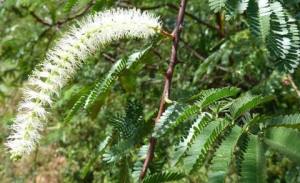
Mimosa tepezcohuite, Mimosa Hostilis, and Mimosa tenuiflora are three names for the same tree. In Mexico, people often call it “tepezcohuite,” sometimes referred to as the “skin tree” in traditional stories, while scientific literature uses Mimosa tenuiflora or Mimosa Hostilis. For skincare, we are usually talking about the inner root bark, which is rich in tannins, flavonoids, and plant sugars.
Historically, communities in Mexico and Central America used Mimosa tepezcohuite bark topically for skin concerns and for supporting comfort after burns. Modern formulas use carefully prepared root bark powder, like our Mimosa Hostilis Root Bark Powder (MHRB), in soaps, cleansers, masks, and balms that help with cleansing, soothing, and reducing the appearance of aging signs.

2. Anti‑Aging Hype: What Mimosa Hostilis Actually Helps With
You will often see Mimosa tepezcohuite described as a “natural facelift” or a “botanical Botox,” which sets unrealistic expectations. The bark does contain antioxidants and tannins that help with protecting skin from oxidative stress and help with firmer-looking skin over time. Topical products with Mimosa Hostilis support smoother, more even-looking skin, especially as part of a consistent routine.
In our experience, customers notice that cleansers and bars with Mimosa tepezcohuite help with reducing the appearance of fine lines that are connected to dryness, dullness, and daily environmental exposure. For example, our Mayan Magic Face Bar includes double Mimosa Hostilis root bark and double moisturizers, designed to help with a soft, hydrated look without harsh chemicals or synthetic fragrances.

3. “Miracle Healing Tree” Claims: What The Science Actually Shows
One of the biggest myths around Mimosa tepezcohuite is that it “heals anything overnight.” The real picture is more measured. Early clinical work in wound care, focused on specialized extracts and dressings, reported that eight to thirteen weeks was the typical window to achieve total cicatrization in lesions treated with Mimosa tenuiflora bark extract. That time frame shows that even in focused medical settings, improvements took patience.
For everyday skincare at home, topical soaps and powders are much gentler than clinical dressings, so expectations should be adjusted. The science supports that compounds in Mimosa tepezcohuite help with supporting the skin environment, rather than instantly fixing every concern. When we design our products, we keep that realistic timeline in mind and focus on comfort, gentle cleansing, and visual improvements in tone and texture.


4. Anti‑Acne, Antiseptic And Cleansing: Myth Versus Reality
Another common claim is that Mimosa tepezcohuite “clears acne instantly” or “kills all bacteria on contact.” The bark does contain tannins, flavonoids, and other constituents that help with controlling surface oil, gently cleansing pores, and supporting a cleaner skin environment. Many customers find that tepezcohuite-based soaps help with reducing the appearance of redness and breakouts when used regularly.
In our product descriptions, we describe these effects as anti-acne support and antimicrobial support, but we stay away from cure language. For example, in our Mimosa Hostilis Root Bark Powder (MHRB) overview, we highlight that it helps with regulating sebum production and minimizing clogged pores. When combined with simple routines and non-comedogenic moisturizers, Mimosa tepezcohuite becomes a useful part of an overall complexion strategy, not a one-step fix.

5. Sensitive Skin And Safety: Is Mimosa Tepezcohuite Too Strong?
Because Mimosa tepezcohuite is sometimes used in more intense clinical settings, there is a misconception that it is too harsh for everyday, sensitive skin. In reality, the way the ingredient is prepared and what it is combined with makes the biggest difference. Gentle cleansing bars and balanced formulations offer the benefits of the bark while respecting the moisture barrier.
We always recommend patch testing, since some people experience irritation with any new botanical. Our Mayan Magic Face Bar, priced at $15.99, is unscented with an earthy natural aroma, and customers with delicate skin often choose it because it helps with cleansing without stripping. When you introduce Mimosa tepezcohuite slowly into your routine, you give your skin time to adjust.


6. Mimosa Hostilis In Everyday Products: From Bars To Balms
At Mayan Magic Soaps, we use Mimosa tepezcohuite in a range of topical products designed to be good for your skin without harsh chemicals. Our bars and balms are crafted for daily use, focusing on comfort and visible radiance, not quick fixes. Customers appreciate that they can build a routine around a single key botanical that supports multiple aspects of skin appearance.
Mayan Magic Body Bar And Tepezcohuite‑Rich Options
The Mayan Magic Body Bar is designed to bring the benefits of Mimosa Hostilis to the rest of your skin, helping with smoother-feeling arms, legs, and torso. When combined with sun-safe habits and simple moisturizers, regular cleansing with Mimosa tepezcohuite helps with maintaining an even-looking tone and a comfortable skin feel. For more intensive DIY approaches, our root bark powders and ultrafine options give experienced users control over their own recipes.


7. DIY With Mimosa Hostilis Root Bark Powder: Benefits And Boundaries
Many customers love working directly with Mimosa tepezcohuite root bark powder in masks, toners, and soaps. Our Mimosa Hostilis Retail Packs start at around $54.89 and scale up for bulk users, giving you flexibility in cost per batch. When you create your own recipes, you can adjust concentration, blend with clays or oils, and tailor the feel and aroma.
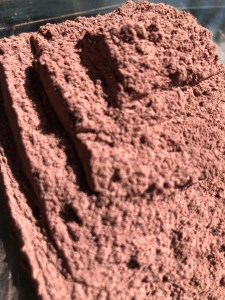
For topical use, it is important to finely mill the bark and disperse it well so that it feels comfortable on the skin. Our Ultrafine Pink MHRB is meticulously milled into a smooth powder with a distinctive pink hue that signifies a strong concentration of inner root bark. This texture helps with even mixing and more uniform contact with the skin surface in your DIY creations.


8. Legality, Purity And Identification: Avoiding The Fakes
Some myths suggest that Mimosa tepezcohuite is “illegal everywhere” or that any product using the name is automatically pure. In reality, regulations vary by country, and in many regions Mimosa Hostilis bark for external use is acceptable when marketed correctly as a cosmetic ingredient. What matters for your skin is that the bark is authentic, clean, and processed for topical applications.
We guide our customers through recognizing true Mimosa Hostilis characteristics, such as the deep reddish-brown inner bark and its aroma. Our educational resources on legality and identification help with understanding what you are buying and avoiding substitutes. When you see our carefully sourced powders and whole barks, you can be confident they are selected with topical use in mind.
9. Realistic Results: How Long To See Skin Changes With Mimosa Tepezcohuite
Another myth we often hear is that Mimosa tepezcohuite will show dramatic transformations in a few days. As the wound-care timelines suggest, even in more intense settings, noticeable changes typically build over weeks. In cosmetic use, where concentrations are balanced for comfort and daily routines, realistic expectations are gradual changes in texture, clarity, and comfort across several weeks of consistent use.
Many customers tell us they notice softer-feeling skin within a few uses, then improvements in brightness and tone over one to two months. Using a Mimosa Hostilis cleanser, followed by a simple moisturizer, and repeating that routine daily gives your skin the steady support it needs. Think of Mimosa tepezcohuite as part of a long game for your skin’s appearance rather than a quick fix.

10. Choosing The Right Mimosa Tepezcohuite Format For Your Skin
Different skin types benefit from different formats of Mimosa tepezcohuite. Dry or mature skin often responds well to rich bars and balms where Mimosa Hostilis is paired with moisturizers. Oily or breakout-prone skin tends to do better with lightly lathering bars and simple clay-based masks that help with balancing oil and impurities.
Our range includes finely shredded bark, chopped bark, classic powders, and ultrafine pink powder, so you can choose the texture that best fits your project or routine. If you are new to Mimosa Hostilis, starting with a ready-made bar is a simple, low-effort way to see how your skin responds. Once you have a feel for it, you can explore more targeted DIY blends that focus on your personal skin goals.


Conclusion
Mimosa tepezcohuite is a powerful, time-tested botanical that helps with cleaner, smoother, and more radiant-looking skin when used topically and consistently. The myths that surround it, from instant cures to universal miracles, overlook both the real strengths and the natural limits of any single ingredient.
Our approach at Mayan Magic Soaps is to respect the tradition behind Mimosa Hostilis while grounding our products in realistic expectations and gentle, skin-friendly formulas. When you use Mimosa tepezcohuite as part of a thoughtful routine, you invest in your skin’s comfort and appearance in a way that is honest, sustainable, and aligned with how this remarkable bark truly works.