

Mimosa Hostilis root bark, also known as Mimosa tepezcohuite, is a prized ingredient in topical skincare projects, so keeping it fresh is essential. Under proper storage, the shelf life of Mimosa Hostilis root bark powder can be up to 24 months, which gives you plenty of time to enjoy its benefits in your topical creations. In this guide, we share how we recommend storing both shredded bark and powder so you protect quality, color, and aroma from the day it arrives to the last spoonful in the bag.
Key Takeaways
| Q1: How long does Mimosa tepezcohuite root bark last? | Shelf life is typically 12–24 months under optimal storage, especially for powder and finely shredded bark kept cool, dry, and sealed. |
| Q2: What is the best way to store Mimosa Hostilis root bark powder? | Keep powder in an airtight, opaque container in a cool, dry place. For premium powder, you can start with products like Mimosa Hostilis Root Bark Powder and transfer into dark jars at home. |
| Q3: Does shredded bark store differently than powder? | Finely shredded bark is slightly more forgiving than powder, but both benefit from sealed packaging and low humidity. Our Finely Shredded Mimosa Hostilis Root Bark ships ready for storage in sealed bags. |
| Q4: Where should I buy Mimosa tepezcohuite that stores well? | Look for trusted vendors that ship from within your region and package bark securely. Our guide on where to buy Mimosa Hostilis root bark explains how to choose reliable sources for long-lasting material. |
| Q5: How do I know if my Mimosa tepezcohuite has gone bad? | Check for mold, a sour or musty smell, color that looks dull or grayish, or clumping from moisture. Our quality Mimosa Hostilis root bark guide helps you understand what healthy bark looks and feels like. |
| Q6: Is there a safety guide for handling Mimosa tepezcohuite? | Yes, we created a dedicated Mimosa tepezcohuite safety guide that covers sourcing, handling, and responsible topical use. |
1. Why Proper Storage Matters for Mimosa Tepezcohuite Root Bark
Mimosa tepezcohuite root bark is rich in tannins, flavonoids, and other plant compounds that help with topical skincare applications. These compounds are sensitive to light, air, and humidity, so the way you store your bark has a direct impact on freshness and performance in your recipes.
Under good conditions, shelf life is typically 12–24 months, but poor storage can shorten that timeframe significantly. Our goal at Mayan Magic Soaps is to help you keep your material closer to the upper end of that range so you get consistent color, aroma, and effectiveness in your topical projects.

2. Ideal Shelf Life: What To Expect From Powder vs Shredded Bark
For most customers, a practical expectation is that Mimosa Hostilis root bark, whether in powder or finely shredded form, stays in top condition for 18–24 months if stored correctly. Bulk suppliers commonly cite 18–24 months as the standard for well-dried, well-packaged MHRB.
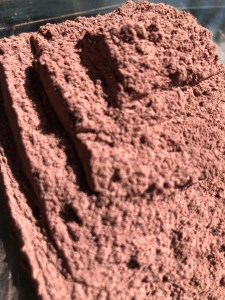
Powder is slightly more exposed to air and light than whole or shredded bark, so it benefits from especially careful storage. Finely shredded bark, such as the Mimosa tepezcohuite we source from Chiapas, holds up very well when kept dry and sealed, which is ideal if you plan to stock up for ongoing topical projects.

3. Temperature, Light, and Humidity: The Three Enemies of Fresh MHRB
Temperature, light, and humidity are the main factors that slowly degrade Mimosa tepezcohuite root bark in storage. For temperature, a typical recommendation is to keep MHRB between 15°C and 21°C (59°F to 70°F) to support long-term stability and reduce the rate of oxidation.
Light exposure speeds up the breakdown of plant pigments and sensitive compounds, so dark cupboards, drawers, or opaque containers are ideal. Humidity is just as important, since high moisture raises the risk of mold and clumping and shortens shelf life well below the 12–24 month range.

4. Best Containers and Packaging for Long-Lasting Mimosa Tepezcohuite
The container you choose has a big impact on how long your Mimosa Hostilis root bark stays at its best. Airtight, opaque containers limit oxygen and light, which helps preserve color and aroma in both powder and shredded bark.
For long-term storage, many users prefer glass jars with tight-fitting lids or high-quality food-grade mylar bags with strong seals. Vacuum sealing or nitrogen-flushed packaging with desiccant packs also helps preserve integrity and extend shelf life toward that 24 month mark.
- Good: Sealed stand-up pouches in a dark cabinet
- Better: Opaque jars with screw-top lids and a desiccant pack
- Best: Vacuum sealed bags stored in a cool, dark, low-humidity area


5. Desiccants, Moisture Control, and Why “Dry” Really Matters
Keeping Mimosa tepezcohuite dry is essential if you want to store it for more than a few months. Moisture content is best kept very low, commonly cited as below 12 percent, to reduce the risk of microbial activity and degradation.
Desiccants such as silica gel packs inside your storage container help maintain a low-humidity environment, especially if you live in a humid climate. You can reuse these packs by drying them according to manufacturer instructions and rotating them between containers as needed.
- Use 1–2 small silica packs per jar or bag
- Check for condensation if containers move through temperature changes
- Store away from kitchens and bathrooms where humidity fluctuates


6. Should You Refrigerate or Freeze Mimosa Hostilis Root Bark?
It can be tempting to refrigerate or freeze plant materials for longer storage, but for Mimosa Hostilis root bark this usually creates more problems than it solves. Condensation that forms when you move containers in and out of cold storage introduces moisture, which encourages clumping and potential mold growth.
Guides that specialize in MHRB storage advise against refrigeration and freezing for this reason. Instead, aim for room temperature within the 59°F to 70°F range, low humidity, and sealed containers, which together support a stable shelf life without condensation issues.
Tip: If your environment is very hot, focus on dark, interior closets away from heat sources rather than resorting to cold storage.

7. Labeling, Dating, and Rotating Your Mimosa Tepezcohuite Stock
Simple labeling habits help you get the full value out of your Mimosa tepezcohuite over time. When you receive a new shipment, label each container with the product type, weight, and the date you opened it so you can track freshness at a glance.
Rotating your stock, using the oldest material first, keeps your topical projects consistent from batch to batch. This is especially important for small businesses or makers who handle larger quantities of Mimosa Hostilis root bark across multiple storage containers.
| Label Field | Why It Helps |
|---|---|
| Product type (powder / shredded) | Quickly see which form you stored where |
| Source or batch | Trace back to supplier and specific order |
| Date received / opened | Track shelf life and freshness over 12–24 months |

8. Buying Quantities That Match Your Intended Shelf Life
Choosing the right quantity of Mimosa Hostilis root bark for your needs is part of smart storage planning. If you create occasional topical products for personal use, smaller amounts help you use everything comfortably within 12–18 months.
For retailers or high-volume makers, bulk packs and retail-ready formats are more suitable. For example, Mimosa Hostilis retail packs in lots of 10, 50, or 250 units are listed in the $54.89–$4,571.89 range, which supports both budget-conscious buyers and larger operations that can store stock carefully.


9. Recognizing When Mimosa Hostilis Root Bark Has Degraded
Even with careful storage, it is useful to know when Mimosa tepezcohuite is past its prime. Healthy bark usually has a consistent color, a pleasant earthy aroma, and a dry, crisp texture if shredded or powdered.
Signs of degradation include a musty or sour smell, visible mold, clumps that do not break apart easily, or a faded, grayish color. If you notice any of these changes, it is best to retire that batch rather than use it in topical products.
- Check color: Look for a rich, even tone instead of dull or patchy areas
- Smell test: Earthy is normal, musty or “off” indicates spoilage
- Texture: Powder should be free-flowing, not sticky or damp
10. From Storage to Topical Use: Keeping Quality Through Every Step
Proper storage of Mimosa Hostilis root bark is the first step, and how you handle the bark when you prepare topical products is just as important. Always work with clean, dry utensils and containers to avoid introducing moisture or contaminants back into your stored material.
Whether you use Mimosa tepezcohuite in masks, soaps, or other external-only formulations, good storage supports consistent texture and helps with reliable performance in your recipes. When combined with suitable carrier ingredients, Mimosa tepezcohuite helps with reducing the appearance of skin irregularities and supports smoother looking skin on the surface.
Conclusion
Storing Mimosa Hostilis root bark, or Mimosa tepezcohuite, is straightforward when you focus on a few key principles: cool temperatures, darkness, low humidity, and airtight packaging. With these in place, your powder or finely shredded bark can maintain quality for 12–24 months, giving you plenty of time to create topical products that take full advantage of this traditional ingredient.
At Mayan Magic Soaps, we care about both the purity of the Mimosa tepezcohuite we source and how you store it once it arrives. With thoughtful storage habits and the right quantities for your needs, you protect your investment and keep your bark ready whenever inspiration strikes for your next skin-friendly, external-only creation.