 +1 561-926-6368

When your skin feels tight, flaky, or stressed, rich plant butters can make a noticeable difference. Mango butter has a fatty acid profile where oleic acid ranges from 35 to 59 percent and stearic acid from 24 to 48 percent, while shea butter also carries a strong balance of oleic and stearic acids, so both are popular choices when people want help with skin repair and barrier support. In this guide, we compare shea butter vs mango butter for skin repair, how each feels on the skin, and how we combine them with nourishing botanicals like Mimosa tepezcohuite for targeted, topical care.
Key Takeaways
| Question | Answer |
|---|---|
| Is shea butter or mango butter better for very dry, damaged skin? | Shea butter usually feels richer and more occlusive, so it often helps with very dry, rough areas. Mango butter feels lighter and still supports the skin barrier, which many people enjoy for daily repair-focused routines. |
| Which butter absorbs faster, shea or mango? | Mango butter typically absorbs faster and feels less greasy, so it suits daytime use and combination or normal skin. |
| Can I use both butters together for skin repair? | Yes, blending shea and mango butter in DIY creams or using them in layered routines helps balance softness, barrier support, and absorption. |
| Where can I find pure shea or mango butter for DIY skin repair? | You can choose 4 oz jars of pure shea butter or mango butter from us for simple, ingredient-focused skincare. |
| Which butter is better for sensitive or irritated skin? | Both can help with soothing dryness, and many people with sensitivities appreciate their gentle nature. We also like pairing them with Mimosa tepezcohuite in topical routines for added comfort. |
| Can these butters be used on the face for repair? | Yes, in small amounts. Many people prefer mango butter or blends with lighter textures on the face, and richer shea on very dry zones like cheeks, lips, or around the nose. |
| Do you offer other butters that support skin repair? | Yes, avocado and kokum butter are part of our skin-loving ingredients. Explore our moisturizing options in our moisturizers collection. |
Understanding Skin Repair: What Your Barrier Really Needs
Before choosing between shea butter and mango butter, it helps to understand what “skin repair” really means. When the skin barrier is stressed, it often loses moisture more quickly and feels rough, itchy, or sensitive.
Both shea butter and mango butter help with skin repair by supporting three key needs: deep moisturization, protection from moisture loss, and comfort for stressed or flaky areas. We also like to include botanicals such as Mimosa tepezcohuite in topical routines because it helps with nourishment and reduces the appearance of stressed, uneven skin over time.


What Is Shea Butter And Why Do People Use It For Skin Repair?
Shea butter comes from the nuts of the shea tree and is known for its rich, velvety texture. For generations, people have used it to help with dry skin, rough patches, and overall skin comfort.
Typical shea butter fatty-acid profiles show oleic acid around 38 to 50 percent and stearic acid around 30 to 50 percent, which gives it a thick, protective feel that supports the skin barrier. Crude shea butter also contains around 5.1 percent unsaponifiable content, which includes components that help with nourishment and give extra support to dry, stressed skin when used topically.
Our Pure Shea Butter (4 oz)
Our Shea Butter (4 oz) is 100 percent organic, refined, and natural, and it costs $12.99. We designed it for DIY lotion bars, body balms, or simple one-ingredient routines when you want to keep things minimal and skin friendly.
Shea butter pairs well with Mimosa tepezcohuite in topical creams and salves, since together they help with softening rough areas and reducing the appearance of dryness, flakiness, and stressed skin.
What Is Mango Butter And How Does It Support Skin Repair?
Mango butter is made from the fat inside mango kernels and has a smooth, creamy texture that feels slightly lighter than shea butter. People reach for mango butter when they want nourishing care without a heavy, greasy finish.
Typical ranges show mango butter with oleic acid at 35 to 59 percent and stearic acid at 24 to 48 percent, which gives it a good combination of softness and barrier support. It also contains unsaponifiable matter around 3 percent, including phytosterols and antioxidants, which helps with protecting the skin from dryness and reduces the appearance of stressed, uneven areas.
Our Mango Butter (4 oz)
Our Mango Butter (4 oz) is priced at $12.99 and is a favorite for DIY creams and body butters. It supports skin that feels dry or irritated, and many users with concerns like psoriasis or eczema appreciate the gentle moisturization and comfort it provides.
In topical routines, mango butter combines beautifully with Mimosa tepezcohuite to help with soothing dryness and reducing the appearance of flaky or stressed spots, especially on body areas like elbows, knees, and shins.


Shea Butter vs Mango Butter: Texture, Absorption, And Feel
One of the biggest differences between shea butter vs mango butter for skin repair is how they feel and absorb. Both support the skin barrier, but their textures suit slightly different preferences and skin types.
| Feature | Shea Butter | Mango Butter |
|---|---|---|
| Texture | Rich, dense, and slightly waxy | Creamy, smoother, and lighter |
| Absorption | Slower, ideal for night or very dry areas | Faster, more comfortable for daytime |
| Skin Type Match | Very dry, rough, or mature skin | Normal, combination, and dry skin |
| Best Uses | Elbows, knees, feet, overnight repair | Daily body creams, facial moisturizers, hand creams |
Shea’s thicker feel comes from its higher stearic acid content, which helps with forming a protective layer over the skin. Mango butter has a slightly higher oleic balance compared with shea in many profiles, so it tends to glide on more easily and feels a bit silkier when fully absorbed.
Barrier Support: How Each Butter Helps With Skin Repair
When we talk about skin repair, we focus on how ingredients support the barrier, reduce the appearance of dryness, and help with keeping moisture where your skin needs it. Both shea butter and mango butter play slightly different roles here.
- Shea butter helps with long lasting moisture and creates a more occlusive layer, which is helpful for very dry or rough patches that need intensive care.
- Mango butter helps with softening and gives a protective feel without being too heavy, so it supports the barrier while staying comfortable for everyday use.
We often recommend pairing these butters with Mimosa tepezcohuite in topical formulas, since this combination helps with soothing and reduces the appearance of dull, stressed skin over time.
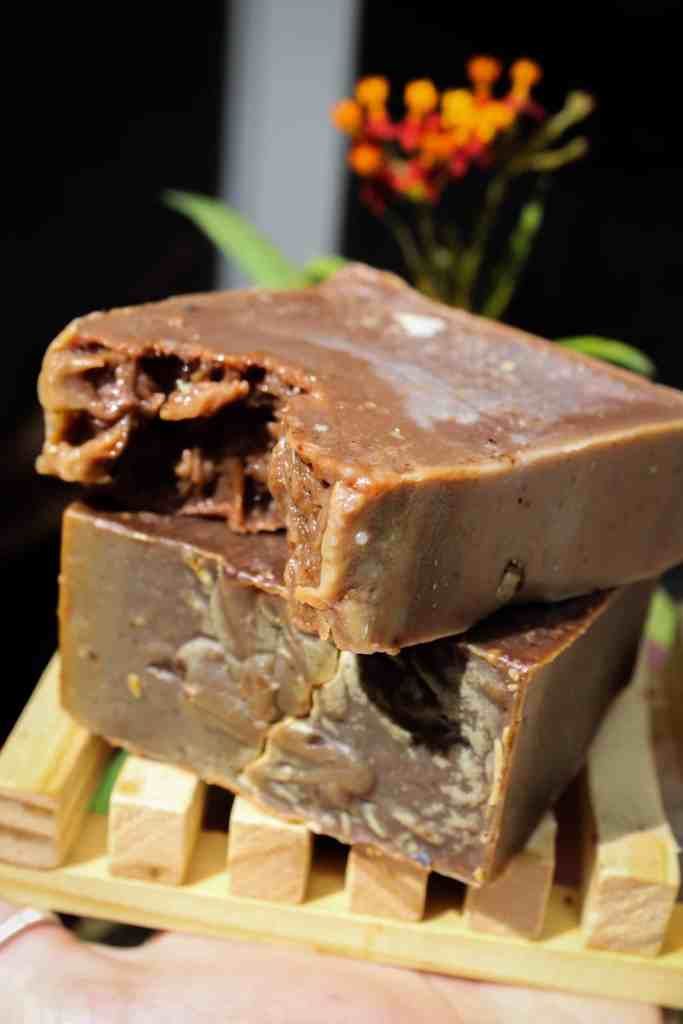
Comparing Shea And Mango Butter For Face, Body, And Problem Areas
Choosing shea butter vs mango butter for skin repair often depends on where you are using it. Some areas of the body tolerate a richer texture, while others feel better with a lighter finish.
- Face: Mango butter generally feels more comfortable for facial care because it absorbs faster and sits more lightly on the skin. A small amount of shea butter can still be helpful for dry spots or overnight routines.
- Body: For elbows, knees, and heels, shea butter offers deeper softness and helps with roughness. Mango butter works very well for all-over body creams where you want a smooth, spreadable texture.
- Problem areas: Both butters help with reducing the appearance of flaky patches and supporting stressed skin. People often layer mango butter during the day and use shea butter at night for added comfort.
For repair-focused routines, we also like using Mimosa tepezcohuite in topical creams or balms on areas that look dull or uneven, since it helps with overall skin appearance and comfort.
How Shea And Mango Butter Work With Other Repairing Butters
Shea and mango butter are powerful on their own, but they also blend beautifully with other plant butters to fine tune texture and performance. For skin repair, we often recommend exploring kokum and avocado butter as part of your toolkit.
Kokum Butter As A Repair Partner
Kokum butter is 100 percent pure, vegan, and cruelty free, and it helps with softening the skin in DIY skincare products. Our Kokum Butter (4 oz) is priced at $14.99 and works very well in blends when you want a firmer texture that still absorbs nicely.
In a repair-focused formula, combining shea butter for richness, mango butter for spreadability, and kokum butter for stability creates a long lasting balm that helps with dryness and supports the barrier. Adding Mimosa tepezcohuite into this kind of blend for topical use supports skin that looks dull or overworked.
Avocado Butter For Added Nourishment
Avocado butter contributes a smooth feel and contains components that help with evening skin tone and protecting from daily stress when used consistently. Our Avocado Butter (4 oz) costs $12.99 and is a great add on for facial or body products that focus on repair and radiance.
When you combine avocado butter with shea or mango butter, you get a creamy, nourishing base that supports dryness, reduces the appearance of fine lines from dehydration, and keeps the skin feeling comfortable and supple.

Using Shea And Mango Butter With Mimosa Tepezcohuite
For customers who want extra support for skin repair, we talk a lot about Mimosa tepezcohuite. This botanical ingredient is used topically and helps with comfort, softness, and improving the appearance of uneven, stressed skin.
When you combine shea or mango butter with Mimosa tepezcohuite in creams or balms, you get the cushioning moisture of the butter plus the targeted support of this traditional ingredient. Many of our moisturizers use this approach so you can experience nourishing butters and Mimosa tepezcohuite working together on your skin.

How To Choose Between Shea Butter And Mango Butter For Your Skin Type
When deciding between shea butter vs mango butter for skin repair, it helps to think about both your skin type and your texture preferences. There is no single best option for everyone, so we guide our customers to match the butter to their goals.
- Very dry or mature skin: Start with shea butter, especially for night care and stubborn rough spots.
- Normal to dry or combination skin: Mango butter often feels more comfortable for daily use and layered routines.
- Texture sensitive users: If you dislike heavy products, mango butter or a 50/50 blend with shea butter is usually a good solution.
If you are focusing on repair, you can also look for moisturizers and soaps that pair these butters with Mimosa tepezcohuite, which helps with keeping stressed skin looking smoother and more even over time when applied topically.
Practical Tips For Using Shea And Mango Butter In Skin Repair Routines
Once you have chosen your butter, the next step is using it in a way that feels good and supports your skin repair goals. Pure butters are flexible, so you can keep it simple or get creative.
- As a balm: Warm a small amount between your fingers and press onto damp skin after a shower to help with sealing in moisture.
- Mixed with oil: Blend a pea sized amount of butter with a few drops of your favorite plant oil in your palm for a quicker absorbing treatment.
- Layered over lotion: Apply your regular lotion first, then a tiny amount of shea or mango butter on top of especially dry spots.
For repair focused routines, we like applying a Mimosa tepezcohuite moisturizer first, then finishing with shea or mango butter over specific areas that need extra comfort.
Conclusion
Shea butter and mango butter are both excellent choices when you want to support skin repair naturally. Shea butter gives you a richer, more protective feel that helps with very dry or rough areas, while mango butter offers lighter, smooth nourishment that works well for daily care and a wide range of skin types.
From our perspective, the best approach is often not “either or” but “both, used wisely”. You can keep pure shea butter on hand for intensive care and mango butter for everyday softness, and combine them with supportive ingredients like Mimosa tepezcohuite for targeted topical routines. By listening to your skin and adjusting textures and combinations, you invest in skin repair that is gentle, natural, and aligned with what your skin needs most.
