 +1 561-926-6368

When you work with bark-based skincare, texture matters more than most people expect, and one study on exfoliating particles even found that the wrong particle size can irritate skin while the right range supports comfortable exfoliation. In topical skincare with Mimosa tepezcohuite, choosing between finely shredded bark and powdered bark shapes how your masks, soaps, and scrubs feel on the skin and how easily they blend with other ingredients.
Key Takeaways
| Question | Answer |
|---|---|
| What is the main difference between finely shredded and powdered bark for skincare? | Finely shredded Mimosa tepezcohuite offers a coarser, more physical exfoliation, while powdered bark provides a smooth, blendable texture that works well in masks, cleansers, and toners. |
| Which form is better for DIY soaps and scrubs? | Many soap makers prefer shredded textures like the Finely Shredded Mimosa Hostilis Root Bark for visible exfoliating flecks and powdered bark when they want a smoother bar. |
| Is powdered bark better for facial skincare? | Powdered Mimosa tepezcohuite, including ultrafine options, usually feels gentler on the face and helps with even application in masks and spot treatments. |
| How do prices compare between shredded and premium powdered bark? | Finely shredded bark starts around $57.08 for smaller sizes, while premium ultrafine powders like Ultrafine Pink MHRB start around $68.96 due to more intensive milling and cosmetic focus. |
| Can both forms be used topically in body care? | Yes, both finely shredded and powdered Mimosa tepezcohuite are used topically in soaps, scrubs, and masks, and each texture offers a different feel on the skin. |
| Where can I find bulk bark options for skincare projects? | Our root bark collection offers multiple weights and textures, including shredded, chopped, and powdered options for different project sizes. |
Understanding Mimosa Tepezcohuite Bark Textures For Topical Skincare
Mimosa tepezcohuite has become a favorite topical ingredient for people who want natural plant-based skincare. The form you choose, finely shredded bark or powder, shapes how your recipes behave and how your skin experiences the product.
In topical use, the bark is not used whole. It is either cut into shreds, chopped pieces, or milled into a fine powder so it can mix into oils, clays, or soap bases more easily.


Finely shredded bark has a visible fiber structure that you can feel between your fingers. Powdered Mimosa tepezcohuite looks and behaves more like a cosmetic clay or finely milled plant powder.
Both forms support topical recipes that help with the appearance of uneven texture and dull-looking skin. The choice between them is mostly about feel, application, and the kind of product you enjoy using.
What Is Finely Shredded Mimosa Tepezcohuite Bark?
Finely shredded bark is sliced into thin strands that resemble soft wood curls or fibrous ribbons. For skincare makers, this format is helpful when you want visible texture in your product and a stronger physical exfoliating effect on the body.
Our Finely Shredded Mimosa Hostilis Root Bark is harvested in Chiapas, Mexico and shipped from Florida for convenience within the USA. It is prepared to be ready for processing into topical soaps, scrubs, and infusions.


Weight options for finely shredded bark range from small project sizes like 4 oz up to bulk quantities such as 5 kg and 20 lbs. Pricing starts at around $57.08 and goes up to about $1,369.86 for large orders that suit small businesses and frequent makers.
Because the shreds are larger than powder, they stay more intact in solid bars. That makes them popular in artisan body soaps where customers enjoy a natural scrub feel and the visual look of Mimosa tepezcohuite fibers.
What Is Powdered Mimosa Tepezcohuite Bark?
Powdered Mimosa tepezcohuite is the same inner root bark milled down into a much finer form. This enables smoother topical applications, especially for face care, gentle body masks, or products where you prefer a silky glide on the skin.
Our Mimosa Hostilis Root Bark Powder is designed for cosmetic use and fits beautifully into cleansers, toners, and masks that help with the look of tired or stressed skin.


Ultrafine powder formats skin like cosmetic pigments or fine clays. Our Ultrafine Pink line of Mimosa tepezcohuite is tailored for those who want an especially smooth, premium-feeling powder for topical recipes.
In topical face masks, powdered bark helps with even spreading across the skin and reduces the risk of harsh scratching that can come from larger particles. This helps with a more comfortable experience for people with sensitive or delicate areas.

This infographic compares finely shredded bark and powdered bark for skincare. It highlights texture, benefits, and recommended applications.
Texture, Particle Size, And Skin Comfort: Why It Matters
When you compare finely shredded vs powdered Mimosa tepezcohuite for topical use, particle size is one of the most important details. Scientific work on exfoliating particles found that a particle size between 250 and 420 micrometers helped balance effective exfoliation with comfort, while larger particles above 707 micrometers tended to feel irritating on the skin.
That research helps explain why many people prefer powder or very fine shreds for facial skincare, and reserve coarser textures for body scrubs where the skin is less delicate. Finely shredded bark pieces are usually larger than typical powder particles, so they create a more noticeable scrub sensation.
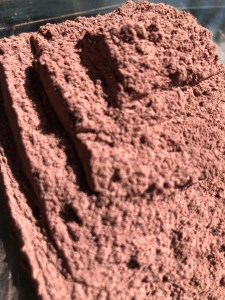
Bark-based powders also come in different shapes, from irregular tiny parallelepipeds to softer irregular particles. These shapes influence how individual grains touch the skin and how evenly they glide during massage.
For facial masks and everyday cleansers, softer, smaller powder particles often feel more refined. For foot scrubs, body polishes, or hand soaps, many customers appreciate the stronger buffing sensation of shredded or coarser textures.
Finely Shredded Mimosa Tepezcohuite For Soaps, Scrubs, And Body Care
Finely shredded Mimosa tepezcohuite bark is a favorite among soap makers and body care artisans. The long fibers help with visible texture in bars and give a satisfying scrub on areas like arms, legs, and feet.
In cold process or melt-and-pour soaps, these shreds suspend nicely in the base, so they do not sink or disappear easily. This helps with consistent distribution of bark throughout each bar, from first use to last.


For body scrubs, you can blend shredded bark with oils, butters, and other exfoliants like sugar or salt. The Mimosa tepezcohuite fibers help with loosening surface buildup and reducing the appearance of dry, rough patches.
Many makers also enjoy shredded bark for topical bath soaks placed in muslin bags. This approach lets the bark sit in warm water while reducing the mess of loose particles in the tub.
Powdered And Ultrafine Pink Mimosa Tepezcohuite For Face Masks And Serums
Powdered Mimosa tepezcohuite shines in leave-on and rinse-off products for the face. When mixed with gentle liquids like hydrosols or aloe gel, the powder spreads easily and helps with the appearance of dull or uneven skin tone.
Our Ultrafine Pink MHRB is a premium powdered option sourced from Chiapas, Mexico, milled into an especially smooth texture with a distinctive pink hue. This product is offered in 4 oz packaging with prices around $68.96 for smaller sizes and up to about $518.96 for larger quantities.


Because the powder is ultrafine, it helps with creating smooth pastes and serums that sit comfortably on the skin. Customers often choose this form when they want a more refined feel and when they focus on face care or targeted treatments.
Topical products featuring powdered Mimosa tepezcohuite help with reducing the appearance of fine lines, dryness, and uneven areas, especially when used consistently. The powder format also mixes well with other cosmetic actives, which is important if you customize your own blends.
Chopped And Jurema Preta Bark: Where They Fit Beside Shredded And Powder
Alongside finely shredded and powdered Mimosa tepezcohuite, some customers explore chopped bark and Jurema Preta variants. These forms are usually coarser and are more common in dye and specialty applications, with more limited roles in everyday topical skincare.
Our Chopped Mimosa Hostilis Root Bark from Chiapas, Mexico is a larger-cut option with prices ranging from about $129.65 up to $6,499.65 for substantial bulk. These pieces are less suited for direct facial use due to their size but can be processed further or used in infusions for body care bases.


Jurema Preta bark, such as our Brazilian-sourced powder, is often noted for dye applications. It is not the first choice for topical skincare recipes where you want a gentler profile and a focus on cosmetic use.
If you are primarily interested in topical skincare, we recommend focusing on Mimosa tepezcohuite forms that are clearly positioned for cosmetic projects, including finely shredded bark and dedicated powders.
Practical Comparison: Finely Shredded Vs Powdered Bark For Skincare Uses
To make your decision easier, it helps to look at finely shredded and powdered Mimosa tepezcohuite side by side. Each texture supports different types of topical products and user preferences.
The table below summarizes how the two main forms compare across common skincare uses.
| Feature | Finely Shredded Bark | Powdered Bark / Ultrafine Pink |
|---|---|---|
| Typical use | Body soaps, scrubs, textured bars | Face masks, cleansers, serums, toners |
| Skin feel | More physical exfoliation, noticeable scrub | Smooth, gentle, easy to spread |
| Best for skin type | Body use on normal, oily, or resistant skin | Face and body, including more delicate areas |
| Typical price range | $57.08 to $1,369.86 depending on weight | $68.96 to around $518.96 for premium ultrafine powders |
| Ease of mixing | Best in solid bars and coarse scrubs | Excellent in liquids, gels, and fine pastes |
| Visual effect | Visible natural fibers in finished product | Uniform color and smooth appearance |


If you love a deep, hands-on scrub experience on the body, finely shredded bark is usually the better pick. If you want focused topical care for the face that helps with reducing the appearance of fine lines and uneven tone, we generally recommend powdered Mimosa tepezcohuite instead.
Many of our customers keep both on hand, using shredded bark in body bars and bath products, and turning to ultrafine powders when they mix small-batch masks or serums for targeted areas.
Choosing The Right Weight And Format For Your Mimosa Tepezcohuite Projects
Once you decide between finely shredded vs powdered bark for skincare, the next step is choosing a weight that matches your needs. Smaller sizes are ideal for testing, while larger packs help frequent makers keep a consistent supply.
Our Mimosa tepezcohuite offerings include 200 g, 1,000 g, and 3 kg portions across different textures. This flexibility lets you start small, then scale up once you know how the bark fits into your routine.

Bulk options like 3 kg and higher weights are popular among small brands and advanced DIYers who create multiple batches of soap or scrubs. Keeping your texture consistent from batch to batch helps with a repeatable customer experience.
For face-focused formulas with Mimosa tepezcohuite, even a single 200 g or 4 oz portion of ultrafine powder can last a long time. A little powder goes a long way when you blend it into masks or toners that you only apply a few times a week.
How Bark Quality And Milling Influence Skincare Results
Not all Mimosa tepezcohuite bark is processed in the same way. Quality starts with the source region, then continues through how the bark is cleaned, dried, stored, and milled into either finely shredded or powdered formats.
Premium powders such as Ultrafine Pink go through extra steps to reach a very consistent particle size and texture. This helps with smoother application on the skin and more uniform mixing with other cosmetic ingredients.

Bark-based cosmetic actives in general are known for antioxidants and supportive plant compounds that help with skin texture and tone. For example, standardized pine bark extracts have been used in human studies with clear specifications for active content.
While Mimosa tepezcohuite is a different species, this broader research on bark extracts helps us appreciate how consistent processing and careful sourcing are important when you choose ingredients for your skincare routine.
Simple Guidelines To Choose Between Finely Shredded And Powdered Bark
If you are still deciding between finely shredded vs powdered Mimosa tepezcohuite for skincare, a few simple guidelines can help. Start by thinking about where on the body you will use the product and how intense you want the exfoliation to feel.
Then consider whether you want visible plant fibers in your final product or a more uniform, polished appearance. Both forms help with supporting healthy-looking skin, but they do it with different textures and sensations.

Here is a quick checklist that many of our customers use.
- Choose finely shredded bark if you want a natural-looking scrub in soaps or body products.
- Choose powdered or ultrafine bark if you focus on face care, serums, or smooth masks.
- Start with smaller weights if you are experimenting with a new recipe, then scale up.
- Store your bark in a cool, dry place so the texture and quality stay consistent over time.
Conclusion
Finely shredded and powdered Mimosa tepezcohuite both bring the power of natural bark to topical skincare, yet they feel and behave very differently on the skin. Finely shredded bark gives you a satisfying scrubby texture that helps with the appearance of rough, dull areas on the body and looks beautiful suspended in handcrafted soaps.
Powdered and ultrafine forms make it easier to create gentle face masks, cleansers, and targeted treatments that help with reducing the appearance of fine lines and uneven tone while spreading smoothly across the skin. When you understand these differences in texture, particle size, and typical uses, it becomes much easier to choose the right form of Mimosa tepezcohuite for your own skincare projects and preferences.

