

Mimosa tepezcohuite has a long history in topical skincare, but its bark also naturally contains significant levels of N,N‑dimethyltryptamine (DMT), with some extracts measuring around 24.74 mg per gram. That biochemical reality makes safety, legality, and ethics impossible to ignore if you care about more than just a pretty label. This guide looks past hype and shortcuts to focus on how to source, handle, and use Mimosa tepezcohuite topically in a way that respects your skin, the law, and the communities and ecosystems behind the bark.
Key Takeaways
| Question | Short Answer |
|---|---|
| Is Mimosa tepezcohuite legal to buy? | In many countries, the tree and bark are legal, but extracting DMT is not. For a focused overview, see the guide on Mimosa Hostilis Root Bark legality. |
| How should Mimosa tepezcohuite be used safely? | Use it topically only, in well-diluted skincare formulas such as soaps, balms, and serums. It is not for internal use in any form. |
| What should I look for in a trustworthy supplier? | Transparent origin (e.g., Chiapas, Mexico), clear product descriptions, and focused topical skincare uses, such as the information provided in Why MHRB?. |
| Is Mimosa tepezcohuite suitable for everyday skincare? | When formulated properly, it can be included in topical routines to help with the appearance of acne-prone or stressed skin. For a deeper dive into its background, explore Tepezcohuite Unearthed. |
| How does it compare to other natural skincare ingredients? | It’s often grouped with natural antioxidants and botanicals used to support the skin’s barrier. You can see how it sits alongside other actives in top natural antioxidants for skincare. |
| Can I DIY Mimosa tepezcohuite skincare safely? | You can work with bark powder for external preparations, but you should follow dilution, patch-testing, and carrier guidelines similar to those in how to use essential oils safely on skin. |
| Where can I learn about the company policies around this ingredient? | Always review supplier transparency and data practices, such as the privacy and policy page, to understand how they operate. |
Why Mimosa Tepezcohuite Safety Matters More Than Ever
Mimosa tepezcohuite is often romanticized as an “ancient Mayan secret,” but responsible use demands a clearer look at chemistry, culture, and compliance. The same bark that helps with the appearance of stressed skin also contains DMT, a Schedule I substance in the U.S., which makes certain uses illegal even if the tree itself is not explicitly controlled. Ignoring that tension doesn’t make it go away; dealing with it honestly is the only ethical path forward.
From an ethical standpoint, safety is not just about avoiding rashes or irritation. It is also about how the bark is harvested, who benefits economically, and whether modern users respect or exploit Indigenous knowledge. This article treats Mimosa tepezcohuite as more than a trend, framing sourcing, handling, and topical usage as part of a wider social and environmental responsibility.


Understanding Mimosa Tepezcohuite: Bark, Compounds, and Topical Potential
Mimosa tepezcohuite (often called Mimosa hostilis or Mimosa tenuiflora in older literature) is a shrubby tree whose inner root bark is rich in tannins and other phytochemicals. In skincare, powdered bark is used topically for masks, soaps, and formulations that help with the appearance of acne-prone or photo‑stressed skin. Its astringent tannins can help reduce the look of excess oil and visibly tighten the appearance of pores.
At the same time, the bark carries naturally occurring DMT, sometimes measured around 0.31–0.57% by dry weight and reaching higher levels in specific extracts. That dual nature—cosmetic potential and psychoactive chemistry—means users must be very clear about intent: topical, cosmetic use only, with no internal consumption or DMT‑focused processing. Keeping that boundary is central to both skin safety and legal compliance.

Legal Landscape: What You Need to Know Before You Buy
In the United States, DMT is a Schedule I controlled substance, which means manufacturing, distributing, or possessing it for illicit use is illegal. However, current regulations typically do not schedule the Mimosa tepezcohuite tree or its raw bark by name. That creates a narrow but important distinction: owning bark for legitimate topical and cosmetic use is treated differently from trying to isolate its DMT content.
Border and enforcement data show that authorities actively monitor DMT‑related materials, and seizures of plant material suspected to be used for DMT extraction are documented. For responsible users, the takeaway is simple: keep your use squarely in the realm of topical skincare. Do not attempt to extract or concentrate psychoactive components; that crosses a bright legal line and undermines the legitimacy of everyone working with this ingredient responsibly.

Ethical and Sustainable Sourcing: Beyond the Buzzword
Responsible sourcing of Mimosa tepezcohuite starts with geography and community. Many high‑quality products highlight Chiapas, Mexico as their origin, reflecting traditional growing regions tied to Mayan usage. When a supplier discloses harvest location and handling—as with finely shredded bark harvested in Chiapas and shipped from the U.S.—it signals a willingness to be accountable.
But ethical sourcing is more than a line on a product page. It challenges extractive models that treat Indigenous knowledge as a free resource. Asking how harvesters are paid, whether regeneration of trees is prioritized, and how volume sales impact local ecosystems is part of using this bark with integrity. Retail packs and wholesale offerings should be balanced with commitments to replanting and long‑term soil and biodiversity health, not just scale and margin.


Forms of Mimosa Tepezcohuite Bark and What They Mean for Safety
For topical use, Mimosa tepezcohuite appears in several forms: chopped bark, finely shredded bark, and powdered bark. Chopped pieces are closer to the raw material and often used when flexibility in processing is desired, while finely shredded bark offers more surface area, which is practical for extracting color for natural dyeing or for further grinding into powders.
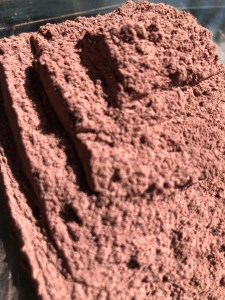
Powdered bark is the most common format for skincare because it can be dispersed into clays, soaps, masks, and lotions, helping with the appearance of acne-prone or aging skin. The more processed the form (e.g., ultra‑fine powder), the easier it is to incorporate topically—but that also increases inhalation risk if you handle it carelessly. Choosing the right form is not just about convenience; it is about how you plan to dilute and apply the ingredient safely to skin only.


Safe Handling Practices: From Raw Bark to Finished Topical Products
Safe handling of Mimosa tepezcohuite starts with basic personal protective measures. When grinding or transferring powders, wear a dust mask or respirator and work in a well‑ventilated space to avoid inhalation of fine particles. Nitrile or latex gloves help minimize direct and prolonged skin contact with concentrated raw bark, which can feel more intense than diluted cosmetic formulas.
For topical preparations, the principles are similar to working with potent essential oils: dilute properly, respect contact time, and patch‑test. Start with small amounts of bark powder in a neutral base—such as clays, balms, or mild soap bases—and avoid using it on broken skin or around the eyes. A cautious approach not only reduces the chances of irritation or sensitization but also encourages a culture of respect for potent botanicals rather than casual overuse.

Topical Usage: How Mimosa Tepezcohuite Fits into Skincare Routines
Modern skincare brands use Mimosa tepezcohuite in powders, masks, soaps, and targeted products that help reduce the appearance of redness, blemishes, or fine lines. Its tannin content offers a gentle astringent effect that can help with the look of oily or acne‑prone skin, while antioxidant compounds support the skin’s visible resilience against environmental stressors. Used this way, the bark stays in its lane: topical, cosmetic, and non‑ingestible.
For home users, that might mean incorporating a small amount of bark powder into a clay mask, a soap recipe, or a rinse‑off scrub. Application should always be short‑contact (e.g., 5–15 minutes for a mask before rinsing), and frequency should be moderate rather than daily for most skin types. Respect your skin’s feedback; if you notice dryness, tightness, or irritation, reduce frequency, lower concentration, or discontinue use.

Dilution, Patch Testing, and Sensitive Skin Considerations
Mimosa tepezcohuite is potent enough that “natural” does not mean “risk‑free.” People with sensitive or reactive skin should treat it like a strong active, similar in caution level to retinoids or highly acidic exfoliants. A patch test—applying a diluted formula to a small area like the inner forearm and waiting 24–48 hours—helps you gauge how your skin responds before using it on larger facial areas.
If you’re making your own topical formulas, start low: for example, adding a small percentage of bark powder into a mask blend and observing the results over several uses. Combining it with soothing ingredients—like aloe, oat, or barrier‑supporting oils—can help reduce the chance of visible irritation. If redness, burning, or itching occurs, rinse thoroughly with lukewarm water and discontinue use.
Comparing Product Types, Formats, and Pricing
When you look at Mimosa tepezcohuite offerings, you’ll usually find a few clear categories: raw bark (chopped or shredded), bark powder, and finished skincare products where the bark is one ingredient among many. Raw root bark retail packs can span a wide price range—for example, retail packs are listed around $54.89–$4571.89 depending on size and quantity—reflecting both volume and supply‑chain complexity.
For most individual users focused on topical skincare, smaller quantities of powder or finished products are typically more practical and safer than bulk raw bark. Professional makers and retailers may choose larger packs but shoulder greater responsibility for safe formulation, labeling, and customer education. The table below summarizes how different forms relate to use and safety considerations.
| Form | Typical Use (Topical Only) | Safety Considerations |
|---|---|---|
| Chopped root bark | Further processing, dyeing, research | Lower dust risk, but still avoid misuse aimed at DMT extraction |
| Finely shredded bark | Grinding to powder, extraction for colorants | More surface area; handle in ventilated spaces |
| Bark powder | Masks, soaps, scrubs, topical formulas | Highest inhalation risk; use masks and careful dilution |
| Finished skincare | Ready‑to‑use topical care | Follow label directions; still patch‑test on sensitive skin |
Social Impact: Using Mimosa Tepezcohuite Without Exploitation
Every bag of Mimosa tepezcohuite reflects land use choices, labor conditions, and knowledge transfer that often start far from the consumer. A socially conscious approach asks hard questions: Are harvesters paid fairly? Is replanting part of the model? Does the brand acknowledge the Mayan and regional traditions that made this ingredient visible in the first place? “Natural” should not be a cover for cultural or ecological extraction.
Choosing suppliers that educate about safe, topical‑only use and that frame the bark within a broader respect for skin health and planetary health is one way to vote with your wallet. Supporting brands that publish detailed ingredient stories, safety articles, and transparency about origin helps shift the market toward long‑term stewardship instead of short‑term exploitation. That stance may be less flashy than miracle claims, but it is far more aligned with genuine care—for your skin and for the communities that have carried this bark’s story for generations.
Conclusion
Mimosa tepezcohuite sits at the intersection of potent chemistry, traditional knowledge, and modern skincare. Used topically, in well‑designed formulas and with respect for dose and skin feedback, it can help with the appearance of acne‑prone, sun‑stressed, or aging skin. But its natural DMT content and cultural roots demand more from us than casual use: clear boundaries against internal consumption, strict avoidance of DMT‑targeted processing, and a commitment to ethical, sustainable sourcing.
If you choose to bring Mimosa tepezcohuite into your skincare practice—whether as a formulator, retailer, or individual user—treat it as a powerful ally, not a toy. Prioritize legal compliance, safe handling, and social impact alongside visible results. In doing so, you support a future where this remarkable bark continues to be available, respected, and used responsibly for generations to come.